What Happened
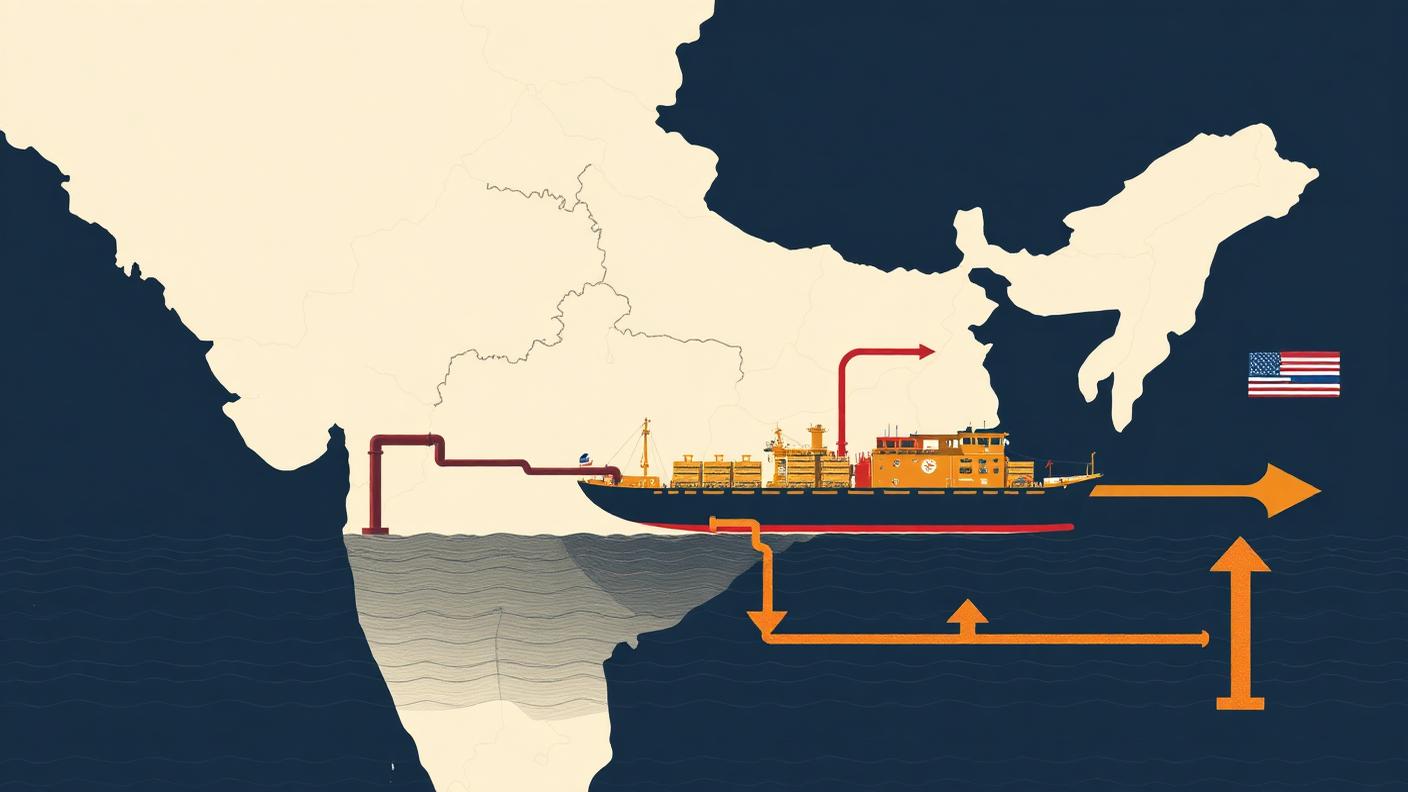
Russia supplied approximately 48% of India's crude oil imports by volume in June 2026, with about 8.7 million metric tonnes arriving over the month. Russia and the United Arab Emirates together accounted for nearly two-thirds of India's crude imports in the period.
Separately, proposed legislation in the United States would create tariff exposure for major buyers of Russian energy. That measure is a proposal. It is not in force, and its final scope, thresholds and timing would depend on enactment.
Key Numbers
Roughly 48% share by volume in June 2026. About 8.7 million metric tonnes of Russian crude in the month. Russia and the UAE together close to two-thirds of total crude imports.
Why It Matters
India's refining system has spent three years converting a geopolitical dislocation into a discount. That has helped contain the import bill and consumer prices. The same concentration that delivered the discount now defines the exposure: a single supplier approaching half of volumes leaves limited room to absorb a policy shock quickly.
Mandate Context
Concentration risk in crude is not only about price. It shapes freight, insurance, payment channels and refinery configuration, all of which take months to reorganise. A buyer with two suppliers accounting for two-thirds of volumes has fewer levers than headline diversification statistics suggest.
It is worth being precise about the American measure. Proposed legislation signals intent and creates commercial uncertainty for refiners and lenders, but it does not itself impose a duty. Treating a bill as an operating fact would distort the risk picture in both directions.
What To Watch
Whether the share drifts down as refiners hedge against legislative risk, whether West Asian and Atlantic Basin barrels regain volume, and whether the proposed American measure advances, stalls or is amended in scope.